View Pass Options

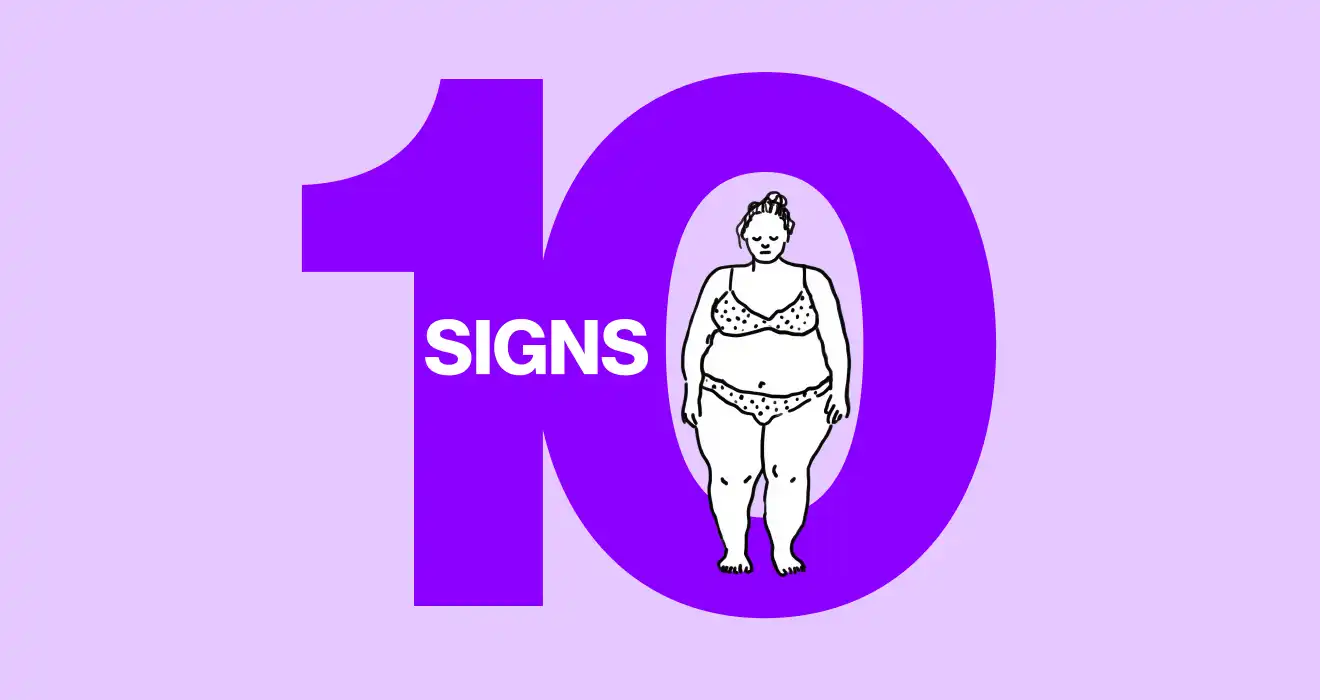
Many women live with Lipedema for years without knowing it.
Because the condition is still widely misunderstood, symptoms are often mistaken for normal weight gain, hormonal changes, or simple body shape differences. As a result, many people spend years trying different diets, exercise routines, or treatments without understanding the underlying cause.
Lipedema is a chronic disorder of fat distribution that primarily affects women and typically develops or progresses during times of hormonal change such as puberty, pregnancy, or menopause.
While only a qualified medical professional can diagnose Lipedema, recognizing the common signs can help you begin the process of seeking the right care and support.
Here are ten signs that may indicate Lipedema.
One of the most recognizable features of Lipedema is disproportionate fat distribution.
Many women notice that their lower body, particularly the hips, thighs, and legs, appears much larger than their upper body.
This can create a noticeable contrast between the waist and lower body.
Lipedema fat typically appears symmetrically, meaning both sides of the body are affected in a similar way.
For example, both legs or both arms may develop the same pattern of fat distribution.
This symmetry can be one clue that differentiates Lipedema from other conditions.
Many women with Lipedema report trying numerous diets, workout routines, and wellness strategies without seeing significant changes in affected areas.
While overall weight may fluctuate, the fat associated with Lipedema often remains resistant to typical weight-loss efforts.
People with Lipedema often describe a sensation of heaviness, pressure, or tenderness in the affected limbs.
The tissue may feel sensitive to touch or uncomfortable after long periods of standing or sitting.
Another common sign is frequent or unexplained bruising.
The tissue affected by Lipedema can be more fragile, which may lead to bruising even with minor bumps or pressure.
Some individuals experience swelling that worsens as the day progresses.
This may be related to lymphatic involvement, which can occur as the condition advances.
The swelling may temporarily improve with rest, elevation, or lymphatic therapies.
In some cases, the tissue affected by Lipedema can feel nodular or grainy under the skin.
This is related to the fibrotic nature of the fat tissue associated with the condition.
One characteristic pattern of Lipedema is that hands and feet are often not affected, even when the legs or arms are.
This can create a visible transition point around the ankles or wrists.
Many people notice their symptoms first appear or worsen during hormonal shifts, including:
• puberty
• pregnancy
• menopause
Hormones are believed to play an important role in how the condition develops.
Lipedema often appears to run in families.
Many women report that their mothers, sisters, or grandmothers had similar body patterns or unexplained leg enlargement.
Genetics are believed to play a role in how the condition develops.
Early recognition of Lipedema can make a significant difference.
Understanding the condition earlier allows people to explore supportive strategies, work with knowledgeable practitioners, and make informed decisions about their health.
Because awareness is still growing, education remains one of the most important tools for patients navigating this journey.
The 2026 Lipedema Summit takes place June 10–12, 2026, bringing together clinicians, researchers, surgeons, therapists, and patient advocates for three days of expert conversations and education.
The event is free to attend during the live broadcast, making it accessible to anyone seeking trustworthy information about Lipedema.
Register for the Lipedema Summit

We only send good emails. Unsubscribe anytime.













Lipedema Summit is produced by FullCircleMedia.co in collaboration with The Trail to Health and This Healthy Life Podcast.
Copyright © 2026 | Lipedema Summit. All rights reserved.