View Pass Options


Most Lipedema patients eventually learn that compression is one of the most important parts of conservative care.
Whether someone is newly diagnosed, managing symptoms long term, preparing for surgery, or recovering afterward, compression garments are often recommended to help manage swelling, heaviness, and day to day discomfort.
What receives far less attention is how difficult it can be to actually access the right compression.
Patients are expected to navigate garment options, sizing, insurance requirements, replacement schedules, and product selection, often with very little guidance. Many spend years purchasing garments that do not fit properly, do not provide adequate compression, or simply are not designed for their individual needs.
This challenge is exactly why Compression Care has become an important resource for patients living with Lipedema and other chronic swelling conditions.
As a sponsor of the Lipedema Summit, Compression Care is helping educate patients about compression access, garment selection, insurance coverage, and long term conservative care management. Their mission is simple: help patients access the compression they need while removing as many barriers as possible along the way.
Compression is often one of the first conservative therapies recommended after a Lipedema diagnosis.
Many patients report feeling more comfortable, more supported, and better able to manage symptoms when compression becomes part of their daily routine. While every person’s experience is different, compression is commonly used to help manage swelling, heaviness, and discomfort associated with chronic lymphatic and fat disorders.
The challenge is that compression is not a one size fits all therapy.
Different patients may require different styles of garments, varying compression levels, custom sizing, daytime options, nighttime options, wraps, or other specialized products depending on their symptoms and stage of disease. According to Joshua Perkins, COO of Compression Care, finding the right garment often requires far more personalization than most patients realize.
One of the most common frustrations patients experience is spending money on products that ultimately do not work.
Perkins jokingly describes this as the “bag of rejects” that many patients accumulate over time. A drawer or closet full of garments that looked promising but never delivered the results they hoped for.
Part of the issue is that not all compression products are created equally.
A quick online search can generate thousands of results claiming to offer compression benefits. Some may be appropriate for athletic recovery or travel, but medical grade compression is a different category altogether. These garments are designed to provide specific levels of therapeutic compression and are often fitted according to detailed measurements rather than simple small, medium, or large sizing.
For patients living with Lipedema, those differences can matter significantly.
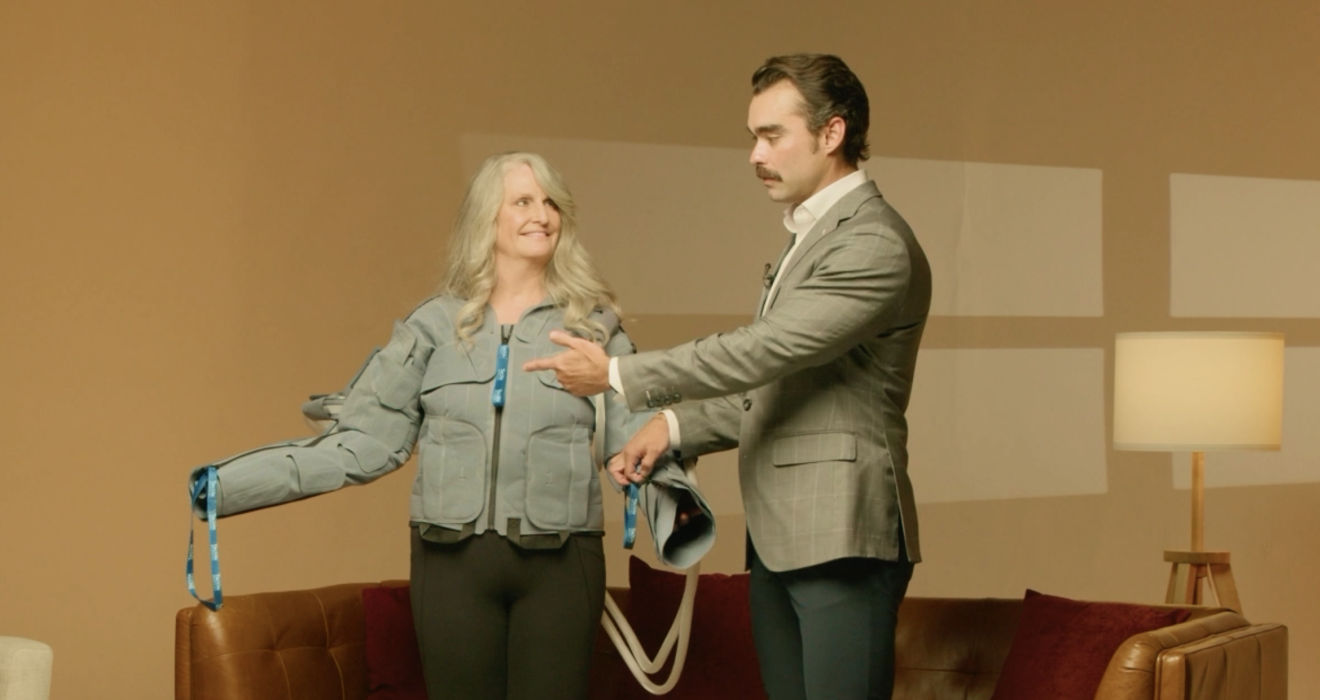
One of the most valuable services Compression Care provides is helping patients access garments that are properly fitted for their body.
Unlike everyday clothing, medical grade compression garments are often measured at multiple points throughout the limb. Circumference and length measurements are used to determine the most appropriate fit and compression profile for the individual patient. Custom flat knit garments may include numerous measurements from ankle to thigh to create a garment tailored specifically to that person’s needs.
A properly fitted garment is often more comfortable, more effective, and far more likely to be worn consistently.
That consistency is important because compression is not something most patients wear occasionally. For many people living with Lipedema, it becomes part of a daily routine in the same way brushing your teeth or taking prescribed medications becomes routine.

One of the biggest surprises for newly diagnosed patients is the cost of compression.
Compression garments are not designed to last forever. Over time, the fibers responsible for delivering therapeutic compression begin to break down through regular wear and washing. Manufacturers generally recommend replacing garments approximately every six months to maintain appropriate compression levels.
According to Perkins, patients using custom flat knit garments may spend between $3,000 and $6,000 annually on compression therapy. For many families, that represents a significant ongoing healthcare expense.
This is one reason insurance coverage and patient education have become such important topics within the Lipedema community.
The passage of the Lymphedema Treatment Act created new opportunities for many patients living with lymphedema to access insurance coverage for compression garments. While the legislation does not specifically cover Lipedema, many patients live with both conditions and may qualify for benefits they are not aware exist.
Compression Care works directly with patients to help verify benefits, understand coverage options, and determine what resources may be available through their insurance plans. The company also assists patients with fitting support and garment selection, helping them make informed decisions before investing in expensive compression products.
For many patients, having someone guide them through that process can save both time and money.
Even with expanding coverage, many patients still find themselves paying out of pocket for compression garments.
This is one reason Compression Care expanded its resources through Compression Guru.
Compression Guru helps patients access medical grade compression garments at competitive pricing while connecting them with trusted manufacturers and products. Rather than leaving patients to sort through endless online options, Compression Guru provides a place where individuals can find compression products designed specifically for chronic swelling conditions.
For many Lipedema patients, it has become an important resource when insurance coverage is unavailable, incomplete, or simply does not apply to the products they need.
Compression is one of the most important components of conservative Lipedema care, but finding the right garments and understanding how to access them can feel overwhelming.
Compression Care is helping patients navigate those challenges through education, insurance guidance, fitting assistance, and long term compression management resources.
Visit Compression Care’s virtual booth at the Lipedema Summit to learn more about compression therapy, insurance coverage, garment options, and available patient resources:
https://event.lipedemasummit.com/sponsors/compression-care/
You can also learn more directly through Compression Care:
For patients looking to purchase medical grade compression garments, Compression Guru provides additional resources and product options:
The 2026 Lipedema Summit takes place June 10–12, 2026, bringing together clinicians, researchers, surgeons, therapists, and patient advocates for three days of expert conversations and education.
The event is free to attend during the live broadcast, making it accessible to anyone seeking trustworthy information about Lipedema.
Register for the Lipedema Summit

We only send good emails. Unsubscribe anytime.













Lipedema Summit is produced by FullCircleMedia.co in collaboration with The Trail to Health and This Healthy Life Podcast.
Copyright © 2026 | Lipedema Summit. All rights reserved.